

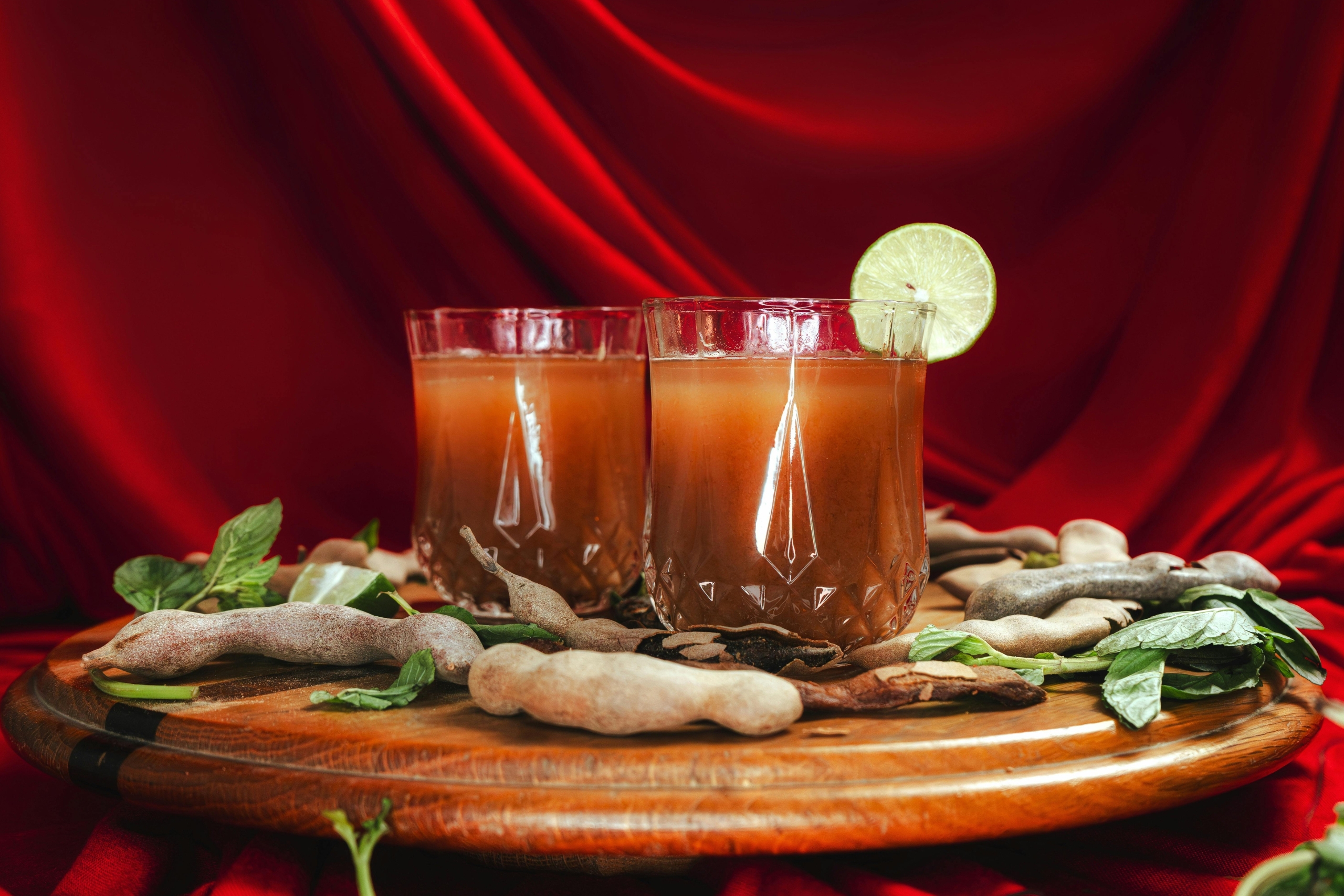
The world of beverages is vastly more diverse, more surprising, and more adventurous than the familiar drinks most people reach for out of habit. Every region of the world has developed its own distinctive drink culture — shaped by local ingredients, climate, tradition, and the creative ingenuity of communities who have been perfecting their signature beverages for generations, sometimes centuries. From the fermented herbal teas of East Asia and the spiced warm drinks of the Middle East to the vibrant fruit blends of South America and the botanical infusions of Europe, exotic drinks offer a genuinely exciting pathway into the food cultures and daily rituals of places most people may never visit. They also represent a conversation starter, a dinner party talking point, and for adventurous home drinkers, a genuinely enjoyable way to expand the palate beyond the ordinary. This guide introduces some of the most fascinating exotic drinks from across the globe, explaining what each tastes like, where it comes from, and — importantly — which ones are suitable for children, pregnant women, senior citizens, and people managing various health conditions, so that every reader can explore this world of extraordinary beverages with confidence and safety.
Kombucha — The Fermented Tea That Has Taken the World by Storm
Originating from Northeast China and later adopted across Russia and Eastern Europe before becoming a global wellness phenomenon, kombucha is a fermented tea beverage produced by introducing a culture of bacteria and yeast — known as a SCOBY — into sweetened tea and allowing it to ferment over a period of one to four weeks. The result is a lightly effervescent, pleasantly tart drink with a complex flavour profile that ranges from fruity to vinegary depending on the fermentation length and the specific tea base used. Kombucha is now produced in an extraordinary range of flavours — ginger, berry, lemon, and tropical fruit varieties being among the most popular — and is available in health food stores, supermarkets, and cafes across the world.
From a safety perspective, kombucha contains a very small amount of alcohol — typically between 0.5 and 3 percent — produced as a byproduct of the fermentation process, which places it in an important category for some drinkers. Most commercially produced kombuchas contain less than 0.5 percent alcohol and are legally classified as non-alcoholic beverages in most countries, but stronger homemade or craft versions may exceed this threshold. The drink also contains live bacterial cultures — probiotics — and a small amount of caffeine from the tea base. For pregnant women, the advice from most healthcare professionals is to avoid or limit kombucha due to its caffeine content, its trace alcohol, and the unpredictable nature of its live bacterial cultures during pregnancy. Children may consume small amounts of commercially produced, low-alcohol kombucha, but parents should check the alcohol content on the label and consult a paediatrician if uncertain. Senior citizens generally tolerate kombucha well and may benefit from its probiotic content, though those with compromised immune systems should exercise caution with unpasteurised versions. For people with diabetes, the sugar content of kombucha — which varies significantly between brands — warrants label-checking and moderation. People with histamine intolerance should avoid kombucha entirely, as the fermentation process produces histamine. For most healthy adults, kombucha is a genuinely enjoyable, pleasantly complex, and potentially beneficial drink worth exploring.
Horchata — The Creamy, Cooling Rice and Nut Milk of Latin America and Spain
Horchata is a family of drinks found across Latin America, the Caribbean, and Spain, each sharing a creamy, naturally sweet character achieved through different base ingredients. The Mexican version — one of the most widely encountered internationally — is made by blending soaked white rice with water, cinnamon, and sugar, then straining it to produce a milky, lightly spiced, refreshing cold drink whose flavour is simultaneously familiar and exotic to first-time tasters. The Spanish version uses tiger nuts — a small tuber with a naturally sweet, nutty flavour — soaked and blended with water and sugar to produce a drink of remarkable sweetness and depth. West African versions made with millet or other grains further illustrate the range of this drink family across cultures that independently developed similar refreshing beverage traditions.
Horchata in its traditional form is entirely non-alcoholic, making it one of the most universally accessible exotic drinks in this guide. It is safe and genuinely delightful for children, who typically love its sweet, creamy, cinnamon-scented character. Pregnant women can enjoy it freely, as it contains no alcohol, caffeine, or problematic ingredients in its standard form — though those with gestational diabetes should be mindful of its sugar content and consume it in moderation. Senior citizens find it easy to digest and gentle on the system. For people who are lactose intolerant or dairy-free, traditional horchata is a naturally plant-based drink that delivers a creamy satisfaction without any animal products. People with nut allergies should note that some versions — particularly the Spanish tiger nut version — use nut-adjacent ingredients, though tiger nuts are technically tubers rather than tree nuts. For people managing blood sugar conditions including type 2 diabetes, the natural sugar content of horchata means portion size awareness is important, and reduced-sugar versions are increasingly available. As a drink category, horchata represents one of the most welcoming and broadly enjoyable exotic beverages available — creamy, sweet, and fragrant enough to convert even the most hesitant adventurous drinker.
Matcha — Japan’s Ceremonial Green Tea Powder and Its Modern Incarnations
Matcha is a finely ground powder made from specially shade-grown green tea leaves whose chlorophyll-rich cultivation produces an intensely vibrant green colour and a distinctively deep, grassy, slightly sweet flavour with a pleasantly bitter finish. Originating from the Japanese tea ceremony tradition where it has been prepared and consumed with deliberate mindfulness for centuries, matcha has evolved in recent decades into one of the most versatile and globally popular ingredients in the specialty drinks world — appearing in lattes, smoothies, iced drinks, and ceremonial bowls across cafes from Tokyo to London to New York. The ceremonial grade version prepared in the traditional manner — whisked with hot water to a frothy consistency — delivers an experience of extraordinary concentrated flavour that rewards contemplative sipping. Modern matcha lattes, blended with steamed oat, almond, or regular milk and optionally sweetened, offer a more approachable entry point for those new to the flavour.
Matcha contains meaningful amounts of caffeine — a standard serving provides roughly the same caffeine as a cup of coffee, though the amino acid L-theanine present in green tea produces a calmer, more sustained energy effect than the rapid spike and crash associated with coffee. This caffeine content has important implications for several drinker groups. Pregnant women should limit matcha consumption as they would limit any caffeinated drink — most guidance suggests no more than 200 milligrams of caffeine per day during pregnancy, and a single matcha serving may provide 50 to 70 milligrams depending on preparation strength. Children should consume matcha only in small amounts or avoid it entirely due to caffeine sensitivity at young ages — matcha-flavoured foods with negligible actual matcha content are generally fine, but genuine matcha drinks warrant parental discretion. Senior citizens can typically enjoy moderate matcha consumption but those sensitive to caffeine or taking medications that interact with caffeine should consult their healthcare provider. For people with anxiety disorders, the caffeine in matcha may exacerbate symptoms despite the moderating effect of L-theanine, and careful self-monitoring is advisable. For people with iron deficiency anaemia, the tannins in green tea can inhibit iron absorption, making it advisable not to consume matcha immediately after iron-rich meals. For most healthy adults, matcha is a nutritionally interesting, genuinely distinctive drink whose flavour and energising properties make it one of the most rewarding exotic beverages to incorporate into a regular drinks repertoire.
Lassi — The Yoghurt-Based Drink of South Asia in All Its Magnificent Varieties
Lassi is a traditional blended drink from the Indian subcontinent made by combining yoghurt with water and various flavouring ingredients, producing a chilled, creamy, refreshing beverage that has been enjoyed across South Asia for centuries and that has spread internationally as interest in South Asian food culture has grown. The sweet mango lassi — made with ripe mango pulp, yoghurt, a little sugar, and sometimes a pinch of cardamom — is the version most frequently encountered in Indian restaurants worldwide and is one of the most approachable and universally beloved exotic drinks available anywhere. The salted lassi version, flavoured with cumin, coriander, and salt rather than sugar and fruit, is a traditional digestive drink whose savoury character surprises and delights those encountering it for the first time. Rose lassi, infused with rose water and chilled to a beautiful pale pink, represents yet another dimension of this drink’s versatility.
Traditional lassi is entirely non-alcoholic and dairy-based, making it both accessible and genuinely nutritious as a drink. It is an excellent source of calcium and probiotics from the live cultures in yoghurt, and its protein content makes it more satisfying and sustaining than most fruit-based drinks. For children, a sweet mango or strawberry lassi is one of the most nutritious and enjoyable exotic drinks available — essentially a smoothie whose yoghurt base provides protein and calcium alongside the flavour. Pregnant women can enjoy lassi made with pasteurised yoghurt freely, and its calcium and probiotic content makes it particularly beneficial during pregnancy — only unpasteurised yoghurt-based versions should be avoided. Senior citizens benefit from the calcium, protein, and probiotic content of lassi, and its soft, easy-to-drink consistency makes it highly suitable for those with swallowing difficulties or reduced appetite. For people who are lactose intolerant, dairy-free lassi made with coconut yoghurt or almond yoghurt is increasingly available and provides a similar experience with a different flavour profile. For people with type 2 diabetes, the sweet fruit versions should be consumed in moderation due to their natural sugar content, while salted lassi makes an excellent lower-sugar alternative. For people managing digestive conditions including irritable bowel syndrome, the probiotic content of lassi may be genuinely beneficial, though individual tolerance to dairy should guide consumption decisions.
Switchel — The Ancient Fermented Vinegar Drink Making a Modern Comeback
Switchel — also known historically as haymaker’s punch — is a refreshing drink made from apple cider vinegar, water, ginger, and a natural sweetener such as honey, maple syrup, or molasses, whose origins in colonial North America as a thirst-quenching drink for farm workers have given it a historical character that adds to its appeal as a modern wellness beverage. The drink has a distinctively tangy, gingery, slightly sweet profile whose apple cider vinegar base gives it a tartness that is initially surprising but quickly becomes addictive for those who appreciate its clean, reviving character. Modern switchel producers have expanded the flavour range with additions including turmeric, lemon, and botanical herbs, producing variations whose complexity extends well beyond the simple original recipe.
Switchel is entirely non-alcoholic and genuinely appropriate for a wide range of drinkers, though its apple cider vinegar content means a few specific groups should approach it with some awareness. Children can enjoy diluted switchel in small amounts — the vinegar content is modest and the ginger and honey combination is pleasant — though very young children should avoid it due to the honey content, as honey is not recommended for children under twelve months due to the risk of infant botulism. Pregnant women can generally enjoy switchel safely, as apple cider vinegar in culinary amounts is considered safe during pregnancy, though those with acid reflux — a common pregnancy complaint — may find the vinegar exacerbates their symptoms and should avoid it accordingly. Senior citizens typically enjoy switchel well, and the apple cider vinegar content may provide digestive benefits, though those taking blood-thinning medications such as warfarin should note that apple cider vinegar may interact with these and should consult their doctor. For people with chronic kidney disease, the potassium content of apple cider vinegar may be a consideration worth discussing with a healthcare provider. For people managing blood sugar, some research suggests apple cider vinegar may help moderate post-meal glucose spikes, making switchel a potentially interesting drink option, though it should never replace medication or medical guidance. As a refreshing, low-calorie, genuinely interesting drink for adventurous drinkers exploring the world of exotic beverages, switchel deserves its growing reputation as one of the most distinctively flavoured non-alcoholic options available.
Agua de Jamaica — The Ruby-Red Hibiscus Flower Drink of Mexico and Beyond
Agua de Jamaica is a vibrant, deep ruby-red cold drink made by steeping dried hibiscus flowers in hot water, then cooling and sweetening the resulting intensely coloured infusion to produce a beverage whose tart, cranberry-like flavour and stunning visual presentation make it one of the most immediately impressive exotic drinks available anywhere in the world. The drink is enormously popular across Mexico and Central America as part of the agua fresca tradition — the family of cold, lightly sweetened fruit and flower waters that serve as the everyday refreshing drinks of the region — and has gained international recognition as both a delicious standalone drink and a versatile mixer for mocktails and cocktails. Its floral, tangy, slightly astringent character is unlike anything in the mainstream Western drinks repertoire, and its brilliant colour makes it as visually appealing as it is flavourful.
Agua de Jamaica is entirely non-alcoholic in its traditional preparation and contains no caffeine, making it broadly accessible across many drinker categories. Children typically love it — the tartness and vibrant colour make it genuinely exciting, and diluted with a little extra water and reduced sugar, it makes an excellent and nutritious alternative to processed fruit drinks. The hibiscus flower contains significant amounts of vitamin C and antioxidant compounds, adding a nutritional dimension to its pleasures. For pregnant women, the picture is more nuanced — high doses of hibiscus have been associated in some research with uterine contractions, and while the amounts in a glass of agua de Jamaica are likely modest, most healthcare providers recommend that pregnant women limit hibiscus consumption as a precautionary measure and consult their midwife or doctor if uncertain. Senior citizens can generally enjoy agua de Jamaica freely and may benefit from its antioxidant content, though those on blood pressure medications should be aware that hibiscus has modest blood pressure-lowering properties that could theoretically interact with antihypertensive drugs — a conversation worth having with a healthcare provider for those on relevant medications. For people with low blood pressure, large amounts of hibiscus drink are best avoided for the same reason. For people with diabetes, hibiscus has shown some promise in research related to blood sugar management, and its naturally low calorie content makes it a good alternative to sugary commercial drinks when consumed with minimal added sugar. As a drinks category entry point for the genuinely exotic, agua de Jamaica is hard to beat — beautiful, flavourful, genuinely distinctive, and broadly accessible.
Conclusion
The world of exotic drinks is one of the most rewarding areas of culinary exploration available to any curious and open-minded drinker — a landscape of flavours, traditions, and ingredients whose diversity reflects the extraordinary creativity and resourcefulness of human cultures across every continent and every climate. From the probiotic tang of kombucha and the creamy sweetness of horchata to the ceremonial depth of matcha, the yoghurt richness of lassi, the vinegary vigour of switchel, and the ruby-red botanical intensity of agua de Jamaica, each drink in this guide offers a genuine encounter with a different way of thinking about what a beverage can be and what pleasure it can provide. The safety information provided for each drink reflects the reality that adventurous drinking — like all aspects of a healthy lifestyle — is best approached with awareness of individual circumstances and health needs, ensuring that the joy of discovery is always accompanied by the confidence that comes from making genuinely informed choices. For anyone ready to step beyond the familiar and explore the remarkable world of drinks that awaits beyond the everyday, the most important preparation is simply an open mind and a willingness to be pleasantly surprised by how much flavour, history, and culture can be contained in a single, well-crafted glass.