

Food is one of the most personal and most universal expressions of human culture — a living record of geography, history, agriculture, trade, and the collective creativity of communities who have spent generations perfecting the dishes that define who they are and where they come from. Every region of the world has developed its own culinary identity, shaped by the ingredients available locally, the climate that determines what grows and thrives, the cultural and religious traditions that guide what is eaten and how it is prepared, and the historical encounters with other cultures that have added new flavours and techniques to the existing repertoire. The result is a global food landscape of extraordinary diversity — one where spice-forward heat in one region sits alongside the subtle dairy richness of another, where fermented complexity in one tradition contrasts with the aromatic herbal freshness of another, and where every meal tells a story about the land and the people who created it. Understanding these regional flavour profiles before walking into a restaurant that represents them transforms the dining experience from a simple act of eating into a genuinely enriching cultural encounter. This guide introduces the distinctive food cultures of regions across every continent, celebrating the remarkable diversity of the world’s culinary traditions with the appreciation and respect they deserve.
South and Southeast Asia: The Art of Layered Heat and Aromatic Complexity
The culinary traditions of South and Southeast Asia are defined by a relationship with spice that goes far beyond simply making food hot — they represent centuries of sophisticated spice blending, the careful balance of competing flavour elements, and the use of aromatic ingredients to create dishes whose complexity unfolds progressively with each mouthful. Across the Indian subcontinent, the cooking of different regions reflects the extraordinary diversity of a vast territory whose cuisine varies as dramatically as its geography — from the rich, cream and nut-enriched curries of the north to the fiery, coconut-tempered dishes of the south, and the mustard-oil-scented fish preparations of the east. The common thread across these regional variations is the masterful use of spice blends whose individual components — turmeric, cumin, coriander, cardamom, fenugreek, cloves, and dozens of others — combine to create flavour profiles of genuine depth and sophistication.
Moving into Southeast Asia, the flavour profile shifts toward a distinctive balance of sweet, sour, salty, and spicy elements that characterises the cuisines of Thailand, Vietnam, and their neighbours. Thai cooking is celebrated globally for its ability to hold these four flavour dimensions in simultaneous tension — a well-made Thai dish delivers sweetness from palm sugar, sourness from lime, saltiness from fish sauce, and heat from fresh chillies in a combination that stimulates every taste receptor simultaneously. Vietnamese cuisine takes a different but equally sophisticated approach, built around the extraordinary fragrance of fresh herbs — Thai basil, mint, coriander, and perilla — and the light, clean broths and dipping sauces that allow individual ingredient quality to shine without heavy seasoning. Indonesian and Malaysian cooking bring coconut milk, lemongrass, and galangal into the spice equation, producing dishes of luxurious richness and tropical aromatics that are as comforting as they are complex. Walking into a restaurant representing any of these traditions with this background understanding dramatically enriches the experience of navigating the menu and appreciating what the chef has achieved.
For diners approaching South or Southeast Asian restaurants for the first time, it is worth knowing that heat levels vary significantly not just between national cuisines but within them — a dish from the coastal south of India or from northern Thailand may be considerably spicier than its equivalents from other parts of the same country, and many restaurants are happy to adjust heat levels on request. The abundance of vegetarian options across these cuisines reflects the cultural and religious traditions of the regions — particularly across India where vegetarian cooking has been elevated to an art form with a depth and creativity that challenges any assumption that meatless food is inherently limited or less satisfying than its meat-containing counterparts.
East Asia: Precision, Umami, and the Philosophy of Balanced Simplicity
The culinary traditions of East Asia — encompassing the cuisines of China, Japan, Korea, and their neighbours — are united by a shared philosophical approach to cooking that prizes balance, precision, and the respectful treatment of ingredients above all else, even as the specific flavour profiles and preparation methods of each tradition are distinctively and unmistakably their own. Chinese cuisine is itself a universe of regional diversity rather than a single coherent tradition — the bold, numbing heat of Sichuan peppercorn-laced dishes from the southwest, the subtle, delicate steamed preparations of Cantonese cooking from the south, the wheat-based dumplings and braised meats of the north, and the sweet-savoury balance of Shanghai’s cooking each represent a genuinely distinct food culture with its own history, ingredients, and techniques.
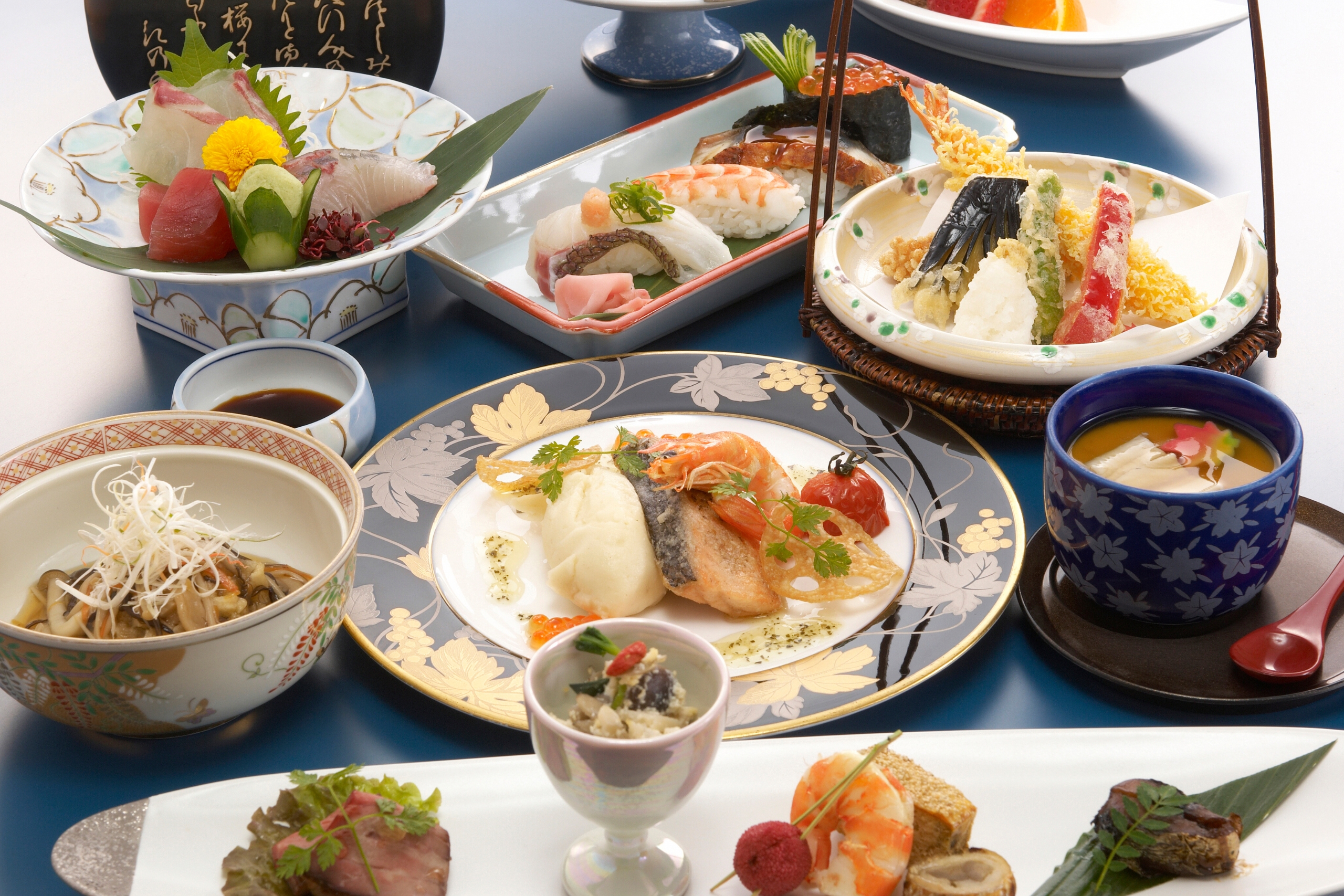
Japanese cuisine has captivated the world with a philosophy that places ingredient quality, seasonal awareness, and the achievement of umami — the deeply savoury fifth taste dimension that Japanese culinary tradition identified and named long before Western food science formally recognised it — at the centre of its cooking approach. The precision of Japanese knife work, the centuries of accumulated expertise in fermentation that produces the miso, soy sauce, and mirin that underpin so much of the cuisine’s flavour foundation, and the aesthetic sensibility that treats the visual presentation of food as an integral part of the dining experience rather than a secondary consideration all reflect a culinary tradition whose depth goes far beyond the sushi and ramen that represent it internationally. Korean cooking brings its own distinctive identity to the East Asian flavour landscape — built around the fermented depth of kimchi and doenjang, the bold heat of gochujang chilli paste, the savoury richness of sesame oil, and the barbecue traditions that have made Korean grilled meats one of the most sociable and communal dining experiences available anywhere in the world.
Diners exploring East Asian restaurants will find that the concept of a single main course surrounded by sides is often replaced by a more communal approach where multiple dishes are ordered and shared simultaneously — a dining format whose social warmth and variety of flavours at a single meal is one of the most enjoyable and generous expressions of these cultures’ approach to hospitality. Understanding this shared eating culture before arriving at a Chinese, Japanese, or Korean restaurant transforms the ordering experience from a potentially confusing navigation of unfamiliar menu categories into an opportunity to construct a genuinely representative cross-section of a cuisine’s range and depth.
The Middle East and North Africa: Warm Spices, Slow Cooking, and the Generosity of Shared Tables
The culinary traditions of the Middle East and North Africa represent some of the oldest and most historically influential food cultures on earth — the crossroads civilisations of these regions traded not only in goods but in culinary ideas for millennia, creating food traditions that have shaped the cooking of enormous swathes of the world far beyond their geographic origin. The flavour profiles that characterise Middle Eastern and North African cooking are built around a distinctive palette of warm spices — cinnamon, cumin, coriander, allspice, cardamom, and saffron — whose application produces food that is aromatic and warming without the sharp heat that characterises the spice use of South and Southeast Asian traditions. The difference is instructive: while a Thai curry might deliver a direct, front-of-mouth chilli heat, a Moroccan tagine or an Egyptian koshari achieves its impact through the slow-release, deeply permeating warmth of spices whose aromatics develop during hours of gentle cooking.
Dairy plays a different role in this culinary zone than in European traditions — yoghurt, fresh white cheeses, and clarified butter appear with great regularity, used in ways that add richness and acidity rather than the heavy cream-based sauces of northern European cooking. Legumes — chickpeas, lentils, fava beans — are foundational ingredients across both Middle Eastern and North African cuisines, providing the protein, texture, and earthy depth that form the base of many of the region’s most beloved dishes and that contribute to food traditions with genuinely excellent vegetarian and vegan offerings. The bread cultures of this region are equally remarkable — flatbreads, stuffed breads, and sesame-topped rolls serve not just as accompaniments but as functional utensils through which other foods are scooped, wrapped, and transported to the mouth in a tactile and direct engagement with food that is one of the most pleasurable aspects of dining in this tradition.
The culture of generous, abundant hospitality that runs through the dining traditions of this entire region — the insistence on feeding guests well beyond the point of satiety, the sharing of multiple dishes simultaneously rather than the sequential service of courses, and the particular importance of communal eating as an expression of welcome and warmth — creates a restaurant experience that is as much about atmosphere and relationship as it is about the food itself. Visitors to Middle Eastern and North African restaurants who arrive with an appreciation of this hospitality tradition will find that the experience resonates on dimensions that go well beyond the excellent and distinctive flavours on the plate.
Europe: A Continent of Cheese, Pastry, and Intensely Regional Culinary Pride
European cuisine resists generalisation more stubbornly than perhaps any other regional food tradition precisely because it is so profoundly regional in its character — the food of Normandy and the food of Catalonia, while both technically European, share less common ground in their flavours, ingredients, and cooking philosophy than many pairings of cuisines from entirely different continents. What European food traditions share is an extraordinary investment in the craft of specific ingredient categories — cheese, bread, cured meats, pastry, wine — that reflects the particular agricultural and cultural conditions of specific localities rather than broad continental trends.
France has for centuries been considered the pinnacle of European culinary sophistication, and while the global influence of French techniques and the French kitchen’s contribution to the vocabulary of professional cooking is undeniable, it is the regional diversity within France itself that most rewards exploration. The butter-enriched pastry and cream-sauced dishes of Normandy in the northwest reflect the dairy culture of a region famous for its cattle. The herb-perfumed grilled meats and olive oil-dressed vegetables of Provence in the south reflect the Mediterranean agricultural landscape that surrounds them. The cheese-laden, warming dishes of the Alpine east speak to the cold-climate comfort food traditions of mountain communities. Italy follows a similar pattern of fierce regional identity — the rice-based risottos of the north, the tomato-sauced pasta dishes of the centre, and the seafood and citrus-brightened preparations of the south each tell a story of local geography and agricultural tradition as much as they do of shared national identity.
Central and Eastern European cuisines bring their own distinctive pleasures to the continental table — the hearty, carbohydrate-rich comfort food of Poland, the Czech Republic, and Hungary, built around dumplings, roasted pork, pickled vegetables, and dark rye breads, reflects the practical warmth of food cultures developed in cold, agricultural landscapes where sustaining energy through long winters was as important as flavour refinement. The cheese and pastry traditions of Switzerland and Austria, the smoked fish and fermented dairy of Scandinavian cooking, and the olive-oil-and-herb-forward simplicity of Greek cuisine each add further dimensions to a continental food culture whose diversity is, paradoxically, one of its most defining shared characteristics. For anyone planning to explore European restaurants — whether local neighbourhood eateries representing immigrant food traditions or dedicated regional European dining establishments — understanding which specific regional tradition the restaurant represents rather than simply which country it claims as its inspiration is the knowledge that most directly enriches the experience.
The Americas: Bold Fusion, Indigenous Traditions, and the Spirit of Culinary Reinvention
The food cultures of North, Central, and South America reflect the extraordinary diversity of the continents’ populations, landscapes, and histories — indigenous culinary traditions of remarkable sophistication and depth existing alongside the colonial and immigrant food cultures that were layered over them across centuries of demographic transformation. The result is a set of food traditions that are simultaneously rooted in ancient agricultural knowledge and vibrantly alive with the creative energy of cultures in constant dialogue with each other and with their own evolving identities.
Mexican cuisine is one of the most complex and most historically deep food traditions anywhere in the world, built on a pre-Columbian agricultural foundation of corn, beans, squash, chillies, cacao, and tomatoes that represents one of humanity’s most significant contributions to the global food supply. The chilli culture of Mexico deserves particular attention for the sophistication with which different chilli varieties — fresh, dried, smoked, and fermented — are used not simply to add heat but to contribute specific flavour notes ranging from fruity and floral to smoky and earthy, creating the complex flavour architecture of moles and salsas that have no real equivalent in any other food tradition. Central and South American cuisines — Peruvian, Brazilian, Colombian, and Argentine cooking among them — each bring their own ingredients, techniques, and histories to a continental food landscape that rewards exploration as enthusiastically as any in the world.
North American food culture, often simplified in international perception to the fast-food and barbecue images that its most globally exported forms project, is in reality a richly layered tapestry of regional traditions, immigrant culinary heritages, and indigenous food knowledge whose depth and diversity the most exciting restaurants across the continent are increasingly celebrating and exploring. The smoked meat traditions of the American South, the seafood cultures of the Pacific Northwest and New England coasts, the Tex-Mex and Californian cooking that reflect border and immigrant influences, and the increasingly visible indigenous food sovereignty movement that is reclaiming traditional ingredients and techniques all contribute to a North American food story that is considerably more complex and considerably more rewarding than its international reputation might suggest. For diners approaching restaurants representing any of these American traditions, the most valuable preparation is an openness to the historical depth and cultural complexity that the best examples of these cuisines are always, at some level, expressing.
Conclusion
The world’s regional food cultures are among humanity’s most vivid and most accessible forms of cultural expression — windows into the histories, geographies, agricultural traditions, and communal values of communities across every continent whose accumulated culinary knowledge represents a heritage as deserving of respect and curiosity as any other dimension of human civilisation. Arriving at a restaurant that represents any of these traditions with prior knowledge of what shapes its flavour profile, what ingredients and techniques define its cooking, and what cultural values its food expresses is not merely an intellectual exercise — it is the preparation that transforms a meal from a simple act of sustenance into a genuinely enriching encounter with another way of understanding what food can be and what it can mean. The remarkable diversity of restaurants available in any cosmopolitan city today is one of the great privileges of contemporary life, and the curious diner who approaches it with genuine openness, genuine respect for the traditions represented, and the background knowledge that allows them to engage meaningfully with what they are experiencing will find that every meal has the potential to be a genuinely illuminating journey — one that feeds not only the appetite but the endlessly rewarding human desire to understand the world beyond the boundaries of our own immediate experience.