

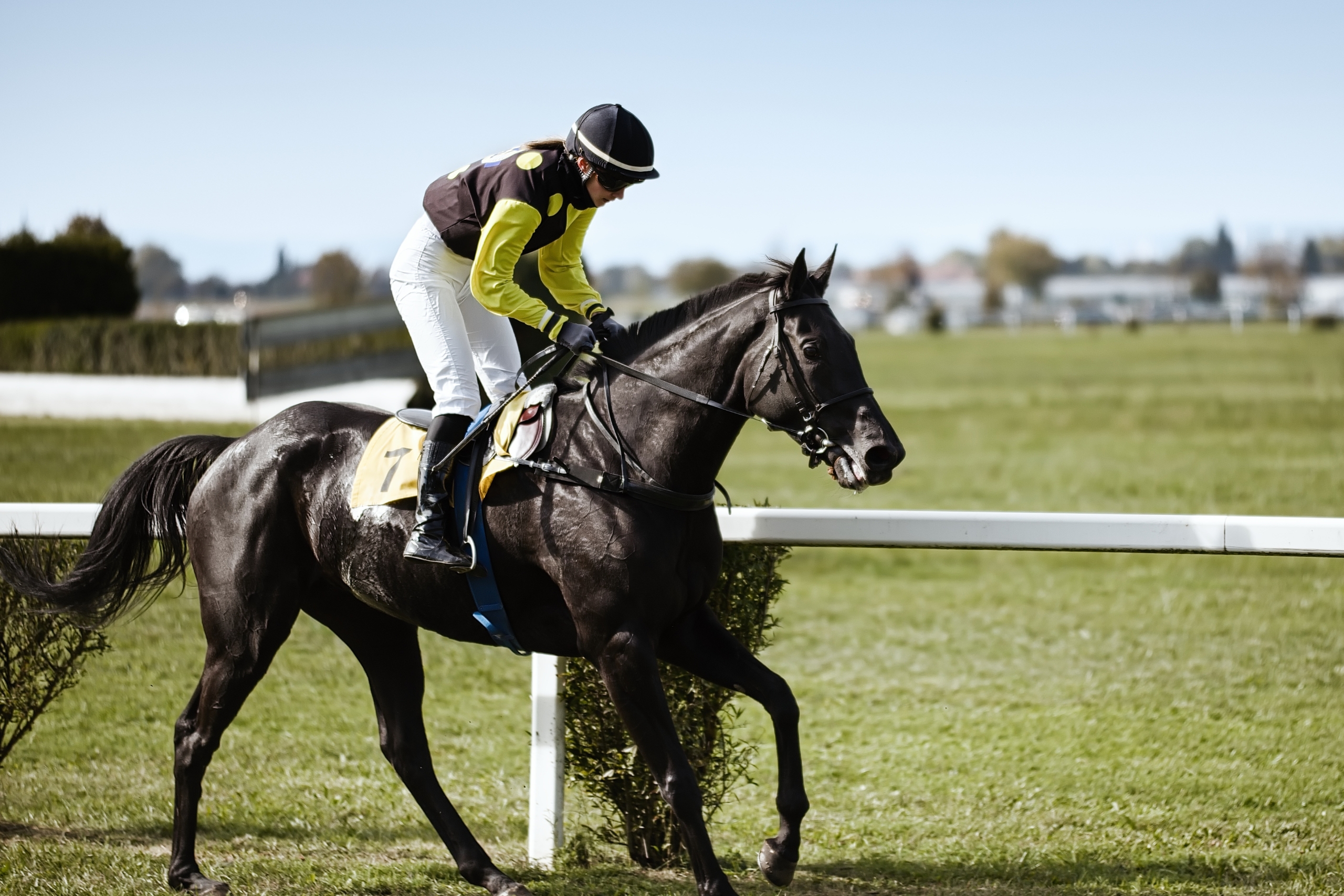
Horse racing is one of the oldest and most passionately followed sports in the United Kingdom, with a calendar packed full of iconic fixtures from the Cheltenham Festival and Royal Ascot to the Grand National and Glorious Goodwood that draw millions of spectators and bettors every single year. For anyone new to the sport who wants to add the excitement of a wager to their racing experience, the initial landscape can feel dauntingly complex — a world of unfamiliar terminology, seemingly cryptic form guides, and betting markets whose variety appears more confusing than inviting to the uninitiated. But horse racing betting does not need to be complicated, and the journey from complete novice to informed, confident bettor is far more accessible than it might initially appear. With the right foundational knowledge, a clear understanding of how betting on horses works, and the discipline to approach it sensibly from the very beginning, new bettors can enjoy horse racing as a genuinely engaging and rewarding activity. This guide covers everything a complete beginner needs to know — from understanding odds and reading a race card through to the most useful tips for making informed selections and managing a betting budget responsibly.
Understanding How Horse Racing Odds Work
The first thing any new horse racing bettor needs to grasp is how odds work — because odds are the language through which all betting on horses is expressed, and understanding them is the foundation on which every other aspect of informed race betting is built. In the United Kingdom, horse racing odds are most commonly expressed as fractions — you will see prices like 3/1, 5/2, 7/4, or 11/8 displayed next to each horse’s name in a race. These fractional odds tell you two things simultaneously: how much profit you will make relative to your stake if your selection wins, and what the bookmaker believes the horse’s probability of winning to be.
Reading fractional odds is straightforward once the basic formula is understood. The number on the left represents the profit you receive for every unit represented by the number on the right that you stake. A horse priced at 3/1 will return three pounds of profit for every one pound staked — so a ten-pound bet on a 3/1 winner returns thirty pounds profit plus the original ten-pound stake back, for a total return of forty pounds. A horse at 5/2 returns five pounds profit for every two pounds staked — so a ten-pound bet returns twenty-five pounds profit plus the stake, for a total of thirty-five pounds. Odds-on horses — those priced below evens, such as 4/6 or 1/2 — represent horses that bookmakers consider more likely than not to win, and betting on them means staking more than you stand to profit. A 4/6 shot requires a six-pound stake to generate four pounds of profit, making it a lower-risk but lower-reward proposition than longer-priced alternatives.
Many bookmakers now also display decimal odds alongside or instead of fractions, particularly in their online interfaces. Decimal odds are simpler to calculate — you simply multiply your stake by the decimal figure to arrive at your total return including stake. A horse at 4.0 in decimal odds returns four times your stake in total, meaning a ten-pound bet returns forty pounds — which is equivalent to the 3/1 in fractional terms. Understanding both formats allows new bettors to work with whichever presentation they encounter across different bookmakers and racing platforms, and the conversion between them becomes second nature very quickly with a small amount of practice.
Reading a Race Card and Understanding the Key Information
A race card is the document — available in print at racecourses and in digital form through betting platforms and racing websites — that provides all of the essential information about the runners competing in each race on a given day. For new horse racing bettors, the race card can look overwhelming at first glance, but it follows a consistent structure once you know what each element represents, and the information it contains is genuinely invaluable for making more informed selections rather than simply backing horses at random or purely on the basis of a name that appeals.
Each horse’s entry in the race card typically includes the horse’s name, age, and weight it will carry in the race — the weight carried is an important factor because the handicapping system used in many races assigns different weights to horses of different assessed abilities, with better horses carrying more weight to equalise their chances against lesser opponents. The horse’s form figures — a sequence of numbers and letters showing its finishing positions in recent races — provide the most immediately accessible summary of recent performance. A horse showing recent form figures of 1-2-1-3 has finished first, second, first, and third in its last four starts — a sequence that suggests consistent competitiveness, while a sequence of 0-0-0-P tells a very different story of non-completion and poor recent form that would require careful investigation before any confidence could be placed in the horse’s chances.
The jockey and trainer names listed for each runner are important context that experienced bettors always note. Certain trainer-jockey combinations have particularly strong records together, and a booking of a top stable jockey for a horse trained by a handler known for placing horses carefully in races they can win is a signal worth taking seriously. The going — the official description of the ground conditions on race day — is listed on the race card and is one of the most important variables in horse racing performance, as horses vary enormously in their preference for different ground types. A horse with a strong record on soft ground running on good to firm conditions is a very different proposition from the same horse running on its preferred surface, and cross-referencing going preferences with the day’s conditions is one of the most practical and accessible ways that new bettors can begin to add genuine analytical depth to their selections.
The Most Common Bet Types and When to Use Them
Horse racing offers a wider variety of bet types than almost any other sport, and while this diversity is one of the things that makes the sport so endlessly engaging for experienced bettors, it can be a source of confusion for those just starting out. Beginning with a clear understanding of the most fundamental bet types — and developing genuine confidence with them before exploring more complex wagering options — is the most sensible and financially prudent approach for any new horse racing bettor.
The win bet is the most straightforward wager available and the natural starting point for anyone new to horse racing betting. A win bet is simply a stake on a horse to finish first in a race — nothing more complicated than that. If the horse wins, the bet is successful and pays out at the odds available at the time of placing. If it finishes second, third, or anywhere else, the bet loses. The simplicity and clarity of the win bet makes it the ideal vehicle for developing the analytical and judgement skills that horse racing betting rewards, because the single binary outcome — did the horse win or not — provides the clearest possible feedback on the quality of each selection decision.
Each-way betting is the second most commonly used bet type and one that is particularly popular among recreational horse racing bettors because it provides a degree of insurance against near misses. An each-way bet is effectively two bets in one — half the stake goes on the horse to win, and the other half goes on the horse to be placed, typically finishing in the top two, three, or four depending on the number of runners and the race type. If the horse wins, both halves of the bet pay out — the win portion at full odds and the place portion at a fraction of the win odds, typically one quarter or one fifth. If the horse is placed but does not win, only the place portion of the bet pays out. Each-way betting on longer-priced horses — those at 8/1 or bigger — is particularly common because the potential place return at a fraction of generous odds can represent excellent value when a horse runs a strong but ultimately second or third-place race.
Practical Tips for Researching Horse Racing Selections
Moving from betting on instinct or name appeal to making genuinely informed horse racing selections is the most important step any new bettor can take toward getting more consistent enjoyment and better results from their horse racing wagering. Good research does not need to be exhaustively time-consuming — even a focused fifteen to twenty minutes of form study before each race meeting can make a substantial difference to the quality of selections and the understanding with which each bet is placed.
Checking the going and how each horse has previously performed on similar ground conditions is one of the quickest and most reliably informative pieces of pre-race research available. Racing websites and dedicated form guides list each horse’s historical performance broken down by going type, and identifying horses whose form figures improve noticeably on the specific ground conditions expected on race day provides a straightforward, evidence-based filter for selection. A horse that has won twice on soft going and struggled on faster ground is a more compelling selection on a wet spring day than on a dry summer afternoon, and this kind of ground-form matching requires no specialist knowledge — only the willingness to look at the data that is freely available through any reputable racing platform.
Looking at how horses have performed over the specific distance of the race — comparing their previous runs at the same distance against those at shorter or longer trips — provides similarly accessible insight into whether the day’s conditions are likely to bring out the best in each runner. A horse whose only win came over five furlongs being asked to run over a mile for the first time is taking on an unproven challenge, while one that has consistently shown its best form at today’s distance offers a more reliable guide to likely performance. Checking the trainer’s recent form — how many winners they have sent out in the past fortnight and what percentage of their runners have been placed — is a further accessible indicator of whether a yard is currently in good form and whether horses from that stable are worth following at the current point in the season.
Managing Your Betting Budget and Staying in Control
The most important piece of advice for anyone new to horse racing betting has nothing to do with picking winners and everything to do with managing the money set aside for betting in a way that makes the activity genuinely sustainable, genuinely enjoyable, and entirely free from the financial anxiety that results from staking more than one can comfortably afford to lose. Horse racing is a sport whose uncertainty is fundamental — even the most confident selection can and regularly does get beaten, and the ability to absorb losing runs without distress is as important to a good betting experience as the ability to identify winning selections.
Setting a clearly defined betting budget before any racing activity begins — a specific amount of money that is mentally and practically ring-fenced exclusively for betting and that represents a sum whose complete loss would cause no financial hardship — is the most important single financial discipline available to any new bettor. This budget should be treated as entertainment expenditure rather than as an investment, because horse racing betting, approached honestly, is a form of entertainment that carries a cost — and the bettor who accepts this reality from the outset and budgets accordingly will always enjoy the experience more than one who enters it with unrealistic expectations about consistent profitability.
Keeping individual stakes proportionate to the total budget is the practical staking discipline that protects against rapid budget depletion during the inevitable losing runs that every bettor experiences regardless of the quality of their selections. Staking no more than five percent of the total session budget on any single race, and resisting the temptation to increase stakes after losses in an attempt to recover quickly, are the habits that keep betting within the enjoyable and responsible bounds that make it a genuinely rewarding leisure activity. Responsible gambling is the foundation of a positive long-term relationship with horse racing as a betting sport, and the bettor who establishes these financial habits at the very beginning of their betting journey will find that they provide a framework of control and confidence that enhances enjoyment rather than constraining it.
Conclusion
Horse racing is a sport that rewards curiosity, patience, and a genuine willingness to learn — and for new bettors who approach it with those qualities alongside the practical knowledge this guide provides, the journey from uncertain beginner to informed and confident horse racing enthusiast is one of the most rewarding progressions available in the world of sport and gambling. Understanding how odds work, reading a race card with purpose, choosing bet types that match both the race situation and personal risk appetite, applying practical form research before each selection, and managing a betting budget with consistent discipline are the building blocks of a horse racing betting experience that is engaging, enjoyable, and conducted at all times within the responsible limits that make it a pleasure rather than a burden. The sport itself is extraordinary — centuries of tradition, breathtaking athletic performances, and the endless complexity of factors that interact to determine each race’s outcome provide a depth of engagement that keeps lifelong enthusiasts returning to the sport with undiminished passion. Discovering that depth, one race at a time, with a well-informed wager to sharpen the experience, is one of sport’s most genuinely distinctive pleasures.