

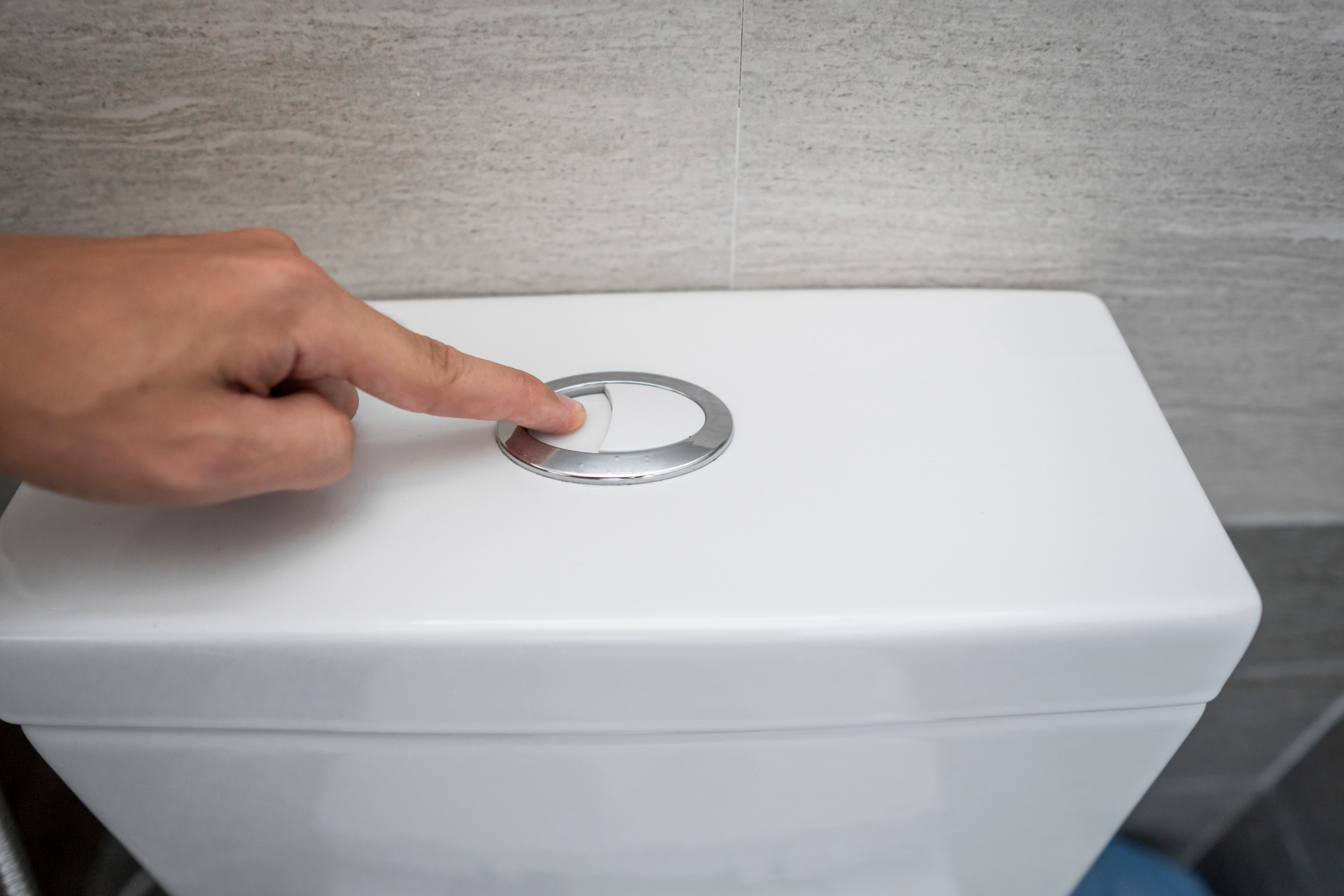
Every household has a plumbing system that most people interact with dozens of times each day without giving it a moment’s thought — until the moment something goes wrong. A blocked kitchen sink, a backed-up toilet, a slow-draining shower, or the much more serious scenario of a sewer line blockage or a burst pipe are among the most disruptive and costly domestic problems a homeowner or tenant can face, and the frustrating reality is that the vast majority of them are entirely preventable. The single most effective thing any household can do to protect its plumbing and drainage systems from avoidable damage is to be more deliberate about what goes down the drain and into the toilet. The everyday items that people routinely flush or rinse away — in the mistaken belief that if they disappear from view they have been safely disposed of — include a remarkable range of substances and objects that are actively harmful to pipes, drainage systems, sewage treatment infrastructure, and the broader natural environment. This guide covers all of the most important household items that should never go down a drain or toilet, explains why each poses a genuine problem, and provides straightforward guidance on the correct disposal alternatives that protect both the home and the wider environment.
Kitchen Drain Culprits: The Foods and Substances That Destroy Pipes From the Inside
The kitchen drain is one of the most abused entry points in any household plumbing system, largely because the kitchen is the room where the greatest volume and variety of substances are handled and where the convenient proximity of the sink makes it the default disposal route for things that should absolutely go elsewhere. The damage that inappropriate kitchen drain disposal causes ranges from gradual pipe narrowing through accumulated deposits to sudden and complete blockages that require professional intervention to clear, and understanding which specific kitchen substances are most harmful is the essential starting point for better kitchen drain habits.
Cooking fats, oils, and grease — collectively referred to by plumbers as FOG — are the single greatest cause of kitchen drain blockages and one of the primary contributors to the fatberg formations that cause major blockages in municipal sewer systems. When hot cooking fat is poured down the drain, it flows freely in its liquid state but cools and solidifies as it travels through the pipe system, adhering to the interior pipe walls and progressively narrowing the drain’s internal diameter with each subsequent disposal. Over time — and accelerated by the addition of other food debris that sticks to the grease layer — this solidified fat creates a blockage that standard drain cleaning products are rarely sufficient to dissolve completely. Cooking fat and grease should always be allowed to cool and solidify in the pan or in a dedicated container before being scraped into the general waste bin, a simple habit that is one of the most effective single actions any household can take to prevent kitchen drain blockages.
Coffee grounds are another kitchen substance that causes significant drain problems despite being frequently disposed of via the kitchen sink. Unlike most food particles, coffee grounds do not dissolve in water — they accumulate in bends and junctions in the pipe system, mixing with grease and other debris to form dense, difficult-to-clear blockages that develop gradually but become severely problematic over time. Food scraps of all kinds — regardless of how small — should similarly be kept out of the kitchen drain wherever possible, either composted, placed in food waste collections where available, or disposed of in the general waste bin. Even households with food waste disposal units should exercise caution about what goes through them, as the ground food particles these units produce can still contribute to pipe deposits when combined with grease and other drain contaminants. Flour, rice, pasta, and other starchy foods are particularly problematic because they absorb water and swell in pipe systems, creating pasty blockages that are genuinely difficult to clear without professional assistance.
Bathroom Drain Problems: Hair, Products, and the Substances That Block Shower and Bath Drains
The bathroom drain — encompassing the shower, bath, and bathroom sink — faces a different but equally significant set of blockage risks from the kitchen drain, with the specific combination of hair, soap residue, and personal care product ingredients creating the sticky, dense blockages that are among the most common calls to domestic plumbers throughout the year. Understanding which bathroom substances pose the greatest drain risks and taking the simple preventive measures that address them effectively can eliminate the majority of bathroom drain blockages before they develop into the slow-draining or completely blocked situations that require intervention to resolve.
Hair is the primary cause of shower and bath drain blockages in most households, and its behaviour in drain systems makes it particularly troublesome to deal with once a blockage has formed. Hair does not dissolve in water, does not break down in pipe systems, and has a natural tendency to tangle into dense masses that trap soap scum, skin cells, and other debris to form the characteristically unpleasant blockages that are found in blocked shower drains. The most effective and straightforward solution to hair-related drain blockages is prevention through the use of a hair-catching drain cover or filter that captures hair before it enters the drain system, allowing it to be regularly removed and disposed of in the bin rather than accumulating in the pipe. This simple and inexpensive device eliminates the primary cause of shower and bath drain blockages and is one of the most cost-effective home improvement investments available to any household that regularly deals with slow-draining shower or bath facilities.
Personal care products and cosmetic substances that are routinely rinsed down the bathroom drain include a range of ingredients that contribute to pipe deposits and, in some cases, pose environmental concerns when they reach watercourses through the sewage system. Thick conditioners, hair masks, and styling products contain wax-like components that behave similarly to cooking fats in pipe systems — flowing freely in warm shower water but depositing residues on pipe walls that accumulate over time. Glitter, microbeads, and other particulate cosmetic ingredients — while fortunately declining in prevalence following regulatory restrictions in many countries — pose environmental problems when they pass through wastewater treatment systems and enter natural water bodies where they persist as microplastic pollution. Switching to cosmetic products formulated without these particulate ingredients is the most comprehensive solution to this category of drain and environmental concern, and the increasing availability of genuinely effective formulations without these components makes this a practically achievable as well as environmentally responsible choice.
Items That Should Never Be Flushed Down the Toilet
The toilet is perhaps the most misunderstood disposal route in the household, with a widespread misconception that its connection to the sewer system makes it an appropriate disposal method for a wide range of items beyond the human waste and toilet paper for which it is specifically designed. This misconception is the source of an enormous volume of preventable sewer blockages, wastewater treatment facility problems, and environmental contamination events that cost water companies, households, and the broader public significant sums to address every year. The items that should never be flushed down the toilet are more numerous and more varied than most people realise, and the environmental and infrastructure consequences of flushing them are more serious than the act of flushing a single item might suggest.
Wet wipes — including those explicitly marketed as flushable — are among the most problematic items regularly flushed down toilets and one of the primary contributors to the fatberg blockages that periodically cause major disruptions to urban sewer systems. Despite the flushable label that some manufacturers apply to their products, wet wipes do not break down in water in the way that toilet paper is specifically engineered to do, and they accumulate in sewer systems — combining with fats, oils, and other materials to form the dense, concrete-like blockages that require significant mechanical and sometimes physical intervention to clear. All wet wipes, regardless of their packaging claims, should be disposed of in the bin rather than the toilet, a simple habit that makes a meaningful contribution to the prevention of the sewer blockage problems that flushable wipes marketing has significantly exacerbated over the past two decades.
Sanitary products — including tampons, sanitary pads, panty liners, and nappies — should never be flushed, despite the fact that many are sized to pass through the toilet itself without immediately causing a visible problem. These products are designed to absorb liquid and expand significantly when they do so, making them highly effective at blocking pipe systems even when they pass through the toilet bowl without apparent difficulty. Cotton wool balls, cotton buds, and dental floss are similarly problematic flushing items — cotton products do not dissolve in water and tangle with other debris to form blockages, while dental floss wraps around other items and pipe components to create persistent snares that accumulate the material that eventually causes complete blockages. Medications should never be flushed, as pharmaceutical compounds pass through wastewater treatment systems and enter natural waterways where they can disrupt aquatic ecosystems — unused medications should be returned to a pharmacy for safe disposal through the dedicated pharmaceutical waste management systems that most pharmacies operate.
Chemical and Household Product Disposal: What the Drain Is Never Designed to Handle
Beyond food, personal care products, and inappropriate flushing items, a significant range of household chemicals and products are regularly disposed of via drains and toilets in the incorrect belief that dilution in the water system makes them harmless or that the sewage treatment process will neutralise their effects before they reach the natural environment. In reality, many of these substances cause direct damage to the pipe systems through which they travel, present significant challenges to wastewater treatment facilities, and persist in the environment in ways that cause ongoing ecological harm long after their disposal.
Paint — both water-based and oil-based — should never be poured down the drain, despite the fact that water-based paints in particular are often treated as drain-safe by people who reason that their water-soluble nature makes them harmless. Even water-based paints contain pigments, binders, and biocides that are harmful to aquatic organisms and that wastewater treatment systems are not specifically designed to remove. Oil-based paints contain solvents that are toxic to sewage treatment microorganisms and that can persist in the environment. Leftover paint should be used up, donated through community paint exchange schemes, or taken to a local household waste recycling centre that accepts paint for proper disposal. Solvents, thinners, turpentine, and other chemical cleaning agents pose similar environmental and treatment facility risks and should be disposed of through household hazardous waste collection services rather than via drains.
Garden chemicals — pesticides, herbicides, and fertilisers — should under no circumstances be disposed of via household drains, as their specific biological activity makes them particularly harmful to the microbial communities that drive biological sewage treatment processes and, when they reach natural waterways, to the ecological balance of aquatic environments. Motor oil, antifreeze, and other automotive chemicals are similarly inappropriate for drain disposal, with even small quantities of motor oil capable of contaminating large volumes of water and persisting in the environment for extended periods. In the context of home improvement, responsible chemical disposal is not simply an environmental consideration but a practical one — many of these substances can damage pipe materials, particularly older plastic and rubber seals, accelerating the deterioration of the household plumbing system in ways that create more immediate and costly problems for the homeowner alongside their broader environmental impacts.
The Environmental Consequences of Draining What Should Not Be Drained
The consequences of disposing household items inappropriately via drains and toilets extend well beyond the immediate domestic inconvenience of blocked pipes and costly plumber callouts. At a systemic level, the cumulative effect of millions of households disposing of inappropriate items via their plumbing systems creates environmental and infrastructure challenges of significant scale and cost, and understanding these broader consequences provides important context for why responsible drain and toilet disposal practices matter beyond the individual household.
Fatbergs — the accumulations of congealed fat, wet wipes, and other non-biodegradable materials that form in sewer systems — have become an increasingly serious and expensive infrastructure problem in cities around the world. The largest recorded examples have weighed hundreds of tonnes and required weeks of manual and mechanical removal work at costs running into hundreds of thousands of pounds. The economic burden of clearing these blockages falls ultimately on the water bill payers whose collective disposal habits created them, making responsible drain use not merely an environmental virtue but a financially rational behaviour for every household connected to a shared sewer system. Water company data consistently demonstrates that the volume and severity of sewer blockages correlates directly with the prevalence of inappropriate drain disposal in the households served by any given section of sewer infrastructure.
Microplastic pollution from personal care products, synthetic fibres from laundry washing, and pharmaceutical compounds from medication disposal represent a category of drain-related environmental harm that operates at a more diffuse and persistent level than blockage events but that has potentially more significant long-term ecological consequences. Microplastics have been detected in virtually every corner of the natural environment — from deep ocean sediments to Arctic ice and from soil ecosystems to the human bloodstream — and their primary entry route into the natural environment is through wastewater systems that are not designed to capture particles at the scale at which microplastics occur. The practical household contribution to reducing microplastic pollution through drain use is genuinely meaningful, achieved through choices about which products to use, how laundry is washed, and what personal care items are rinsed away — choices that individually seem small but that at population scale represent one of the most significant available levers for reducing the flow of microplastic contamination into natural waterways.
Conclusion
The drains and toilet of a household plumbing system are specifically designed for a narrow and well-defined set of purposes, and the remarkable resilience of these systems under normal use conditions has created a widespread assumption that they can handle almost anything with sufficient water to carry it away. This assumption is wrong, and its consequences — in blocked pipes, costly emergency plumber visits, sewer infrastructure damage, and environmental contamination — are felt by homeowners, water companies, and ecosystems in ways that are entirely disproportionate to the small effort required to dispose of household items correctly in the first place. The guidance provided in this article represents the most important and practically actionable knowledge any household can apply to protect its plumbing, reduce its contribution to wider infrastructure and environmental problems, and avoid the disruption and expense that inappropriate drain and toilet disposal reliably produces over time. In the context of home improvement, few investments of time and attention deliver as consistently practical and wide-ranging returns as the simple habit of being more thoughtful and more informed about what goes — and what absolutely should not go — down the drain.